

Yes, buying a car out of state can get you a better deal, a wider selection, and access to rare models that never appear in your local market. The tradeoffs involve sales tax rules, registration requirements, state inspection standards, and the cost of getting the vehicle home. Done right, the savings can be real. Done wrong, the headaches are significant.
The pros and cons of buying a car out of state come down to one question: does the deal justify the extra steps? For the right vehicle at the right price, the answer is often yes. For an impulse purchase with no preparation, it can get expensive fast.
Whether you found your next car on CarGurus, AutoTrader, or a private seller listing three states away, this guide walks through everything you need to know before you commit.
- Can you buy a used car out of state?
- Pros of buying a car out of state
- Cons of buying a car out of state
- Sales tax and registration across different states
- State inspection and emissions standards
- Step by step: how to buy a car out of state
- Getting the car home
- Is it worth it?
- Frequently asked questions
| ✓ Pros of Buying a Car Out of State | ✗ Cons of Buying a Car Out of State |
|---|---|
| Access to a much wider vehicle inventory than your local market offers | Inspecting or test-driving the car before purchase is difficult from a distance |
| Regional pricing differences can produce significantly better deals | Paperwork and title requirements vary across different states and can cause delays |
| Easier to find rare models, specific trims, or exact color and option combinations | Transportation costs reduce your savings and must be factored into the total price |
| Lower demand in other regions can push vehicle prices below your local market rate | Your home state may have stricter emissions or safety inspection standards the vehicle fails |
| Vehicles from warmer, drier climates often carry less rust and corrosion | Sales tax and registration rules differ by state and require advance research |
| Regional manufacturer incentives can lead to additional savings on specific models | Financing an out-of-state purchase can complicate lender approval and processing |
| More competition among sellers in a larger market gives buyers more negotiating leverage | Most DMVs require an in-person VIN verification which adds a step to registration |
What You Should Know Before You Start
Before you contact a seller or put down a deposit, here are the five things that matter most when purchasing a vehicle across state lines.
Do you pay sales tax in the purchase state or your home state?
- • You pay sales tax to the state where you register the vehicle, not the state where you bought it
- • If you buy from a dealer, they typically collect your home state’s tax and send it directly
- • If you buy from a private seller, you pay your home state’s tax when you register
- • In states without sales tax, you pay nothing at registration even if the purchase state had tax
What documents do you need?
- • Title signed over by the seller
- • Bill of sale with purchase price, date, and both parties’ details
- • Odometer disclosure statement
- • Proof of insurance in your home state
- • Proof of address for registration
- • Some states require a notarized bill of sale
Will the car pass your home state’s inspection?
- • Different states have varying requirements for emissions testing and safety inspection
- • California has the strictest emissions standards in the country and requires specific certifications
- • Confirm your home state’s requirements before purchasing a vehicle from a state with looser standards
How does the VIN verification process work?
- • Most state DMVs require an in-person vehicle identification number verification for any car entering from out of state
- • You need to bring the vehicle to a DMV location for a physical VIN check before they process registration
How do you get the car home?
- • You may need a temporary registration trip permit from the purchase state to legally drive it home
- • Car shipping removes the need to travel, avoids adding miles, and costs less than most buyers expect
- • You must factor in the time and cost of transportation when calculating the total purchase price
Can You Buy a Used Car Out of State?
Yes. Buying a car from a dealer or private seller in a different state is completely legal and happens thousands of times every day across the country. The internet made it routine. Online marketplaces like CarGurus, AutoTrader, and eBay Motors removed the geographic barrier that once kept most buyers local.
What changed the buying process most was not any single platform but the general shift toward remote purchasing. Buyers now routinely find, inspect via video, negotiate, and purchase a vehicle across the country without leaving home. The car arrives at their door via auto transport, already inspected and ready to register.
- • Private sellers and dealers in all 50 states can legally sell to out-of-state buyers
- • The buyer handles registration and sales tax in their home state
- • The seller provides the title and any required state-specific transfer documents
- • Understanding the process upfront makes the transaction straightforward
Pros of Buying a Car Out of State

Access to a Broader Inventory
Expanding your search beyond your local market significantly increases your chances of finding the exact make, model, trim level, and color you want. Local dealerships carry what sells locally. That means popular models disappear fast and rare configurations rarely appear at all.
- • Broadening your search area makes it significantly easier to find rare models, specific trim levels, or exact color and option preferences
- • Purchasing from another state provides access to specific models or trims not available in your local market, especially for in-demand or rare vehicles
- • Classic car collectors and exotic enthusiasts find out-of-state purchasing especially valuable for sourcing vehicles that never appear locally
- • With more vehicles to compare, buyers carry more negotiating leverage
Better Deals Through Regional Pricing Differences
Vehicle prices vary significantly by region due to local supply and demand. Lower competition or lower demand in other regions can decrease vehicle prices in ways that create real purchasing opportunities for buyers willing to look further.
- • 4WD vehicles sell at a premium in snowy northern states but often at a reasonable price in southern markets where demand stays lower
- • Convertibles command a premium in warmer regions but sit on lots longer in colder states, creating better deals for buyers who ship them south
- • Regional manufacturer incentives vary across states, sometimes leading to significant savings on specific models
- • States with higher vehicle turnover from leasing trends produce a more abundant supply of well-maintained used cars at competitive prices
Climate and Condition Advantages
Vehicles from warmer, drier climates often carry significantly less rust and corrosion than cars from northern states where road salt is a year-round reality. A car from Arizona or Florida with comparable mileage and model year may genuinely be in better mechanical and cosmetic condition than a neighboring state equivalent.
- • Southern state vehicles typically show less undercarriage rust and body corrosion
- • Drier climate regions produce vehicles with less weather-related wear on seals, trim, and rubber components
- • A pre-purchase inspection can confirm whether climate advantages are real for a specific vehicle
Cons of Buying a Car Out of State
Inspection and Test Drive Challenges
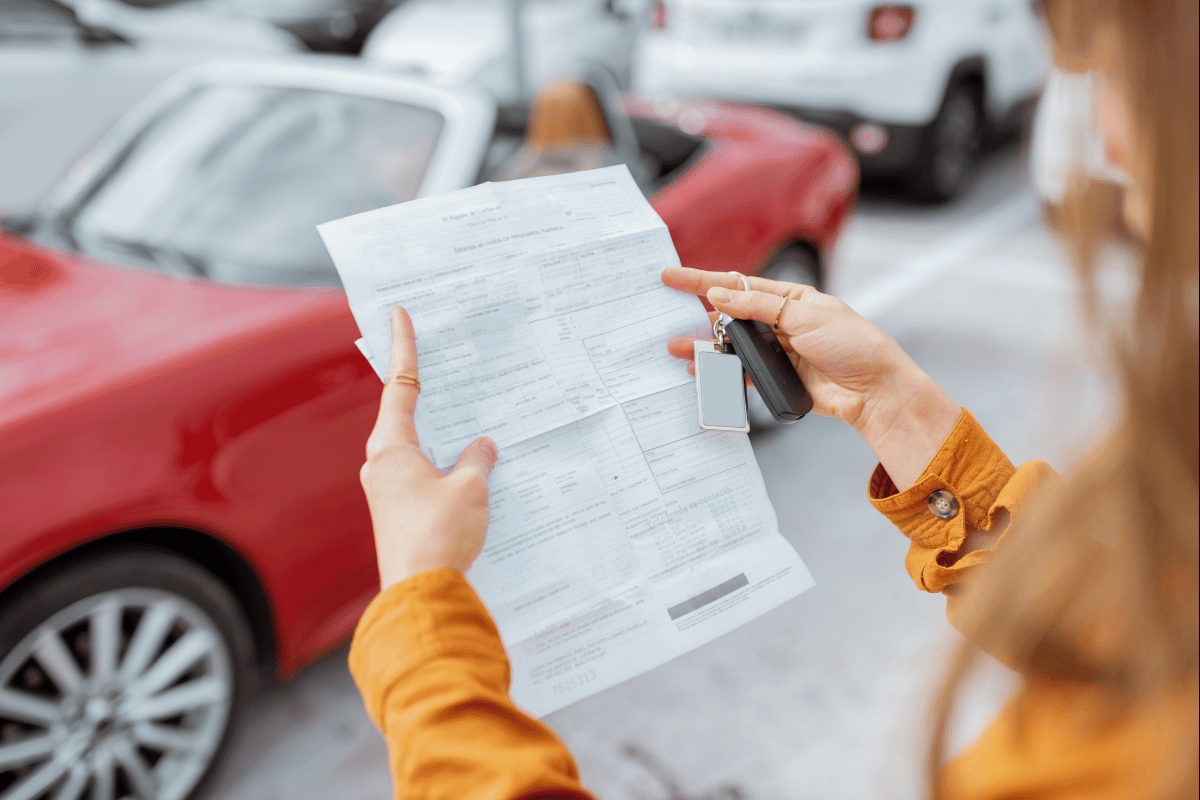
Inspecting or test-driving a car is challenging when purchasing from a distance. This increases the risk of discovering issues with the vehicle only after the purchase closes. A vehicle history report tells you about the past but not the current condition.
- • You cannot perform a hands-on inspection without travelling to the vehicle’s location
- • A third-party pre-purchase inspection by a local mechanic near the seller is strongly recommended before any commitment
- • Services like Lemon Squad or a local independent mechanic can inspect the vehicle and provide a written report for a reasonable fee
Complex Paperwork Across Different States
Different states have distinct requirements for title and registration processing. What counts as standard documentation in one state can be entirely different in another. Missing a single required document can delay registration by weeks.
- • Some states require notarized bills of sale while others accept a standard signed document
- • Odometer disclosure requirements vary by state and vehicle age
- • Most DMVs require you to sign documentation in person and provide proof of address and current insurance
- • Title processing timelines differ significantly between states, which can affect how quickly you drive legally
Never sign a blank title or send payment before receiving a signed title in hand or via escrow. Title fraud on out-of-state purchases, while not common, does happen. If a private seller resists providing proof of ownership before payment, walk away.
Transportation Costs Can Reduce Your Savings
You must factor in the costs and time associated with transportation when buying a vehicle out of state. Driving the car home yourself means travel costs, time off work, and adding miles to the vehicle. Shipping removes those issues but adds a direct cost that needs to fit within your savings margin.
- • Open transport shipping typically runs $500 to $1,700 depending on the distance
- • Driving it home yourself adds fuel, lodging, food, tolls, and risk of breakdown
- • Factor transport cost into your price comparison before deciding the out-of-state deal beats a local option
Sales Tax and Registration Across Different States
Sales tax rules on out-of-state vehicle purchases confuse most buyers. The core rule is simple: you pay sales tax to the state where you register the vehicle, not the state where you purchased it.
- • If you buy from a dealer in a different state, the dealer typically collects your home state’s sales tax and sends it to your state’s tax collector
- • You may need to pay the difference if your home state’s tax rate exceeds what the dealer collected
- • If you buy from a private seller, you pay your home state’s tax directly at the DMV when you register
- • In states without sales tax, you will not pay sales tax at registration even if the purchase state charges it
- ✓ Out-of-state title signed over by the seller
- ✓ Completed bill of sale with purchase price and odometer reading
- ✓ Valid government-issued photo ID
- ✓ Proof of address (utility bill, bank statement, or lease)
- ✓ Proof of insurance in your home state
- ✓ In-person VIN verification at the DMV
- ✓ State inspection certification if required in your home state
- ✓ Payment of registration fees and applicable sales tax
After your vehicle passes the required inspection, you visit the local DMV with the inspection certification, bill of sale, driver’s license, and proof of address to register the vehicle. Most states give you a set number of days to complete registration after purchase. Check your home state’s specific deadline before the transaction closes.
State Inspection and Emissions Standards
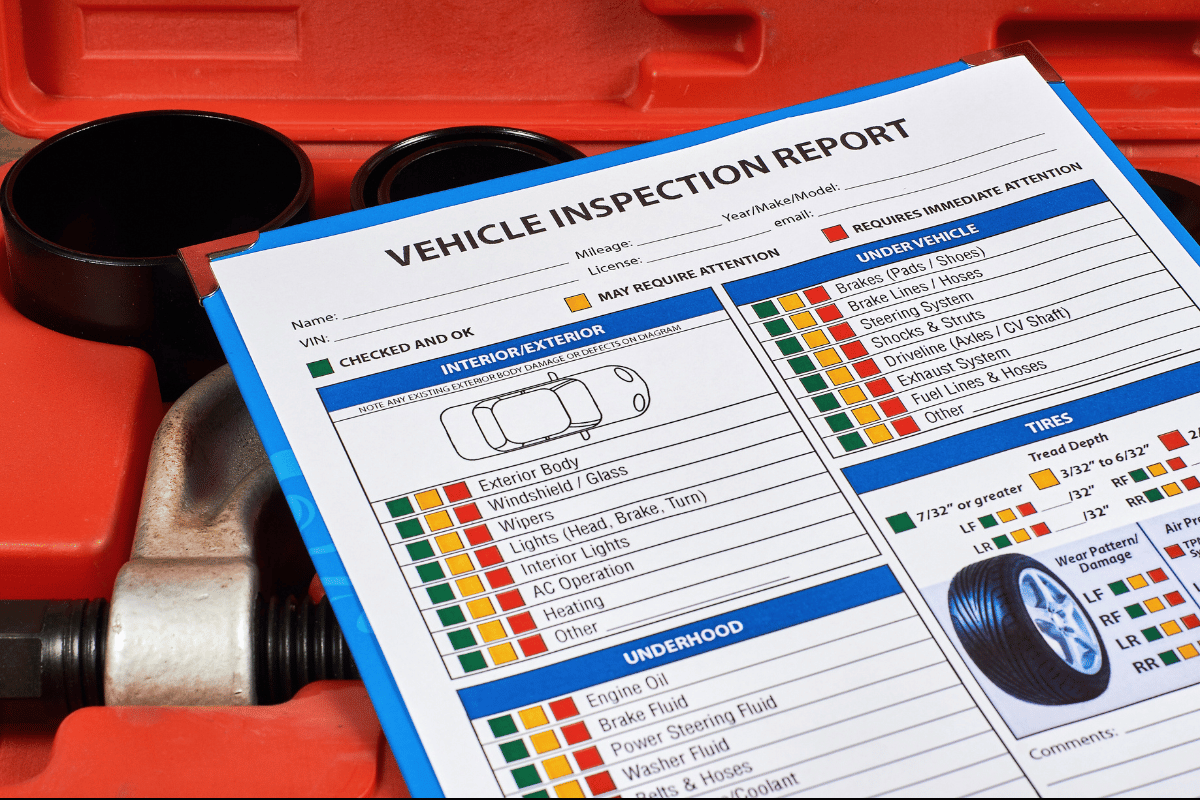
Different states have varying requirements for vehicle inspections, including emissions tests, which must be met before you can register the vehicle in your home state. This step catches more buyers off guard than any other part of the process.
- • Some states require both a safety inspection and an emissions test before registration
- • Some states require only one or the other
- • Some states require neither
- • California requires specific certifications for emissions compliance that some out-of-state vehicles may lack entirely
- • A vehicle that passed every inspection requirement in its purchase state may still fail your home state’s standards
Contact your home state DMV before you buy to confirm the exact inspection and emissions requirements for an out-of-state vehicle. Ask specifically whether the vehicle’s current state certification transfers or whether a fresh inspection is required after arrival. This one call prevents the most common post-purchase surprise.
Before purchasing, have a mechanic inspect the major systems including the engine, transmission, and brakes. A pre-purchase inspection helps in negotiating the price or deciding against the purchase if significant issues surface. Check the vehicle history report for any reported accidents, recalls, maintenance records, and title issues, all of which influence the purchasing decision.
Step by Step: How to Buy a Car Out of State

Follow these steps in order to avoid the most common mistakes buyers make when purchasing a vehicle across state lines.
Step 1: Pull the Vehicle History Report
A vehicle history report provides information about accidents, recalls, maintenance records, and title issues, all of which can influence your purchasing decision. Run the VIN through CARFAX or AutoCheck before any conversation about price or deposit.
- • Check for title problems including salvage, flood, or rebuilt titles
- • Review the odometer history for any inconsistencies
- • Look for reported accidents and determine their severity
- • Check for any open recalls that the current owner has not addressed
Step 2: Arrange a Pre-Purchase Inspection
Having the vehicle inspected by an independent mechanic before you buy is one of the most important steps in the process. The mechanic checks major systems like the engine, transmission, and brakes, which can help in negotiating the price or deciding against the purchase altogether.
- • Find a mechanic near the seller’s location through Yelp, Google, or a dealer network
- • Services like Lemon Squad perform mobile inspections and send you a written report
- • Most inspections cost $100 to $200 and can save thousands if a problem surfaces
- • A seller who refuses an independent inspection is a red flag worth taking seriously
Step 3: Negotiate and Secure the Deal
Once the vehicle history report checks out and the inspection report comes back clean, you can negotiate with confidence. Collect the signed title, bill of sale, and any state-specific transfer documents from the seller before any funds transfer.
- • Use the inspection report findings to negotiate the price if any issues appear
- • Confirm the title is clean and in the seller’s name before signing anything
- • If financing, contact your lender before the sale closes to confirm their policy on out-of-state vehicle purchases
- • Wire transfers and certified checks provide a clear proof of payment trail
Step 4: Arrange Transportation
With the deal closed and title in hand, you need the vehicle transported to your home state. This is where most buyers either drive it home or ship it. For distances over a few hundred miles, shipping almost always makes more financial and practical sense.
Step 5: Register at Your Local DMV
You have a set number of days to register the car at your local DMV after purchase. Bring the out-of-state title, proper identification, proof of address, and proof of insurance. Most state DMVs require an in-person vehicle identification number verification for any vehicle entering from out of state before processing registration.
- • Complete any required safety testing or emissions inspection before your DMV visit
- • Pay the applicable sales tax and registration fees at the DMV
- • Collect your new plates and registration certificate
Getting the Car Home After an Out-of-State Purchase
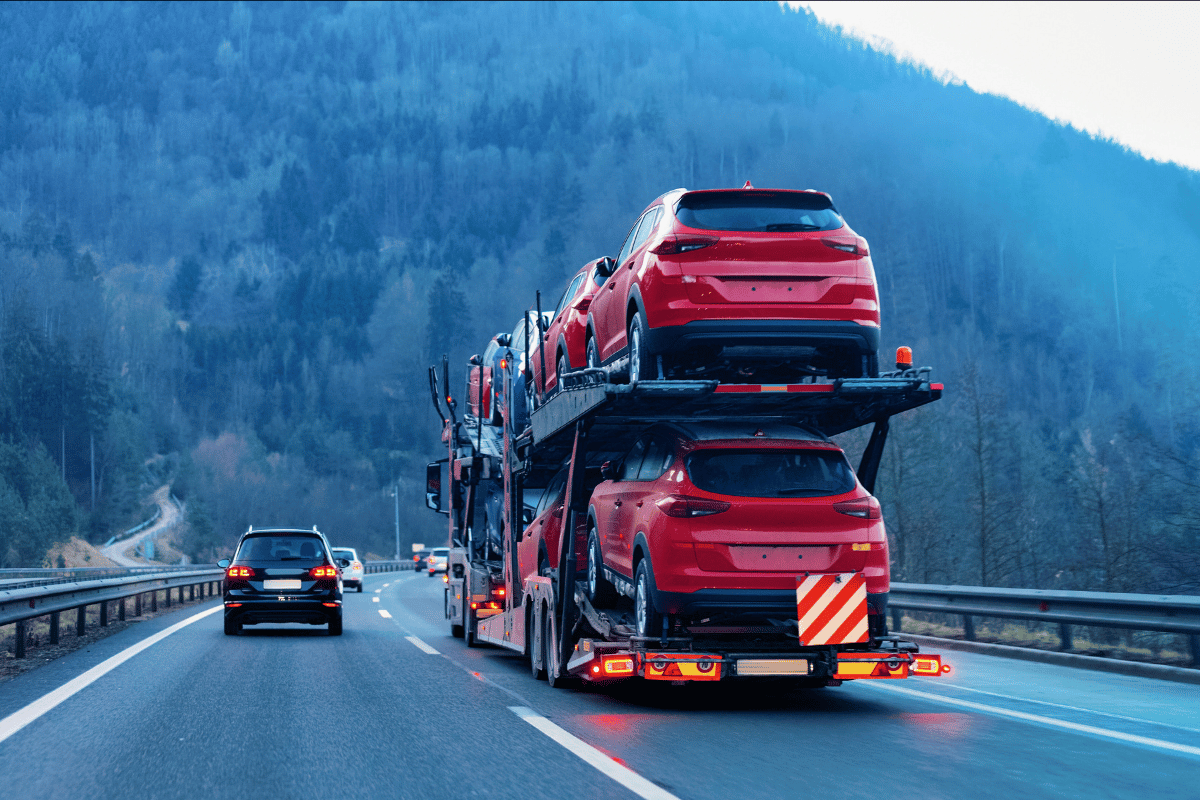
Once the purchase closes, getting the vehicle back to your home state involves one of two options: drive it yourself or ship it. For short distances in a neighboring state, driving can make sense. For anything longer, shipping removes most of the hassle and often costs less than the total expense of flying out, staying overnight, and driving home.
Driving It Home
- • You may need a temporary registration trip permit from the purchase state to legally drive it home
- • Most states issue these for a small fee, typically valid for 30 to 60 days
- • Add up the full travel cost including flights, hotel, fuel, food, and tolls before deciding
- • Driving adds miles and wear to the vehicle you just purchased
Shipping It Home with ShipYourCarNow
ShipYourCarNow picks the vehicle up directly from the seller’s address and delivers it to your door across all 50 states. No flight, no added miles, no breakdown risk on a vehicle you have not yet driven.
- • Open transport starting around $500 for shorter routes, $1,700 for coast-to-coast
- • Enclosed transport available for classic cars, luxury vehicles, or any car where condition on arrival matters most
- • The price quoted is the price charged, no surprises
- • The Know Your Trucker program sends you the assigned driver’s photo and license before pickup
- • Every carrier vetted through Highway, the leading carrier vetting source in the country
- • 24/7 in-house support throughout the entire process
“We treat every car that we ship as if it was our own personal vehicle. It is more than just shipping a car. It is shipping a person, an individual. The price we quote is the price we charge.”

For the full breakdown of how the shipping process works, visit the ShipYourCarNow shipping process guide. To understand what transport will cost before you factor it into your total purchase budget, the car shipping costs guide covers every pricing factor in detail.
Already found the car and want to browse the platforms worth searching? The guide to the 13 best websites to buy a used car in 2026 ranks every major marketplace with pros, cons, and a full comparison table. And if you want to understand how to evaluate whether shipping or driving makes more financial sense, the guide to shipping versus driving a car cross country runs the full cost comparison.
Is Buying a Car Out of State Worth It?
The honest answer depends entirely on the deal, the vehicle, and how thoroughly you prepare. Here are the scenarios where it genuinely makes sense and the ones where it probably does not.
- ✓ You found a rare model, specific trim, or color unavailable locally
- ✓ The price difference covers shipping and still saves money
- ✓ The vehicle comes from a warmer, drier climate with less rust history
- ✓ You searched locally and demand drove the price too high
- ✓ The vehicle history report and inspection both check out cleanly
- ✗ The price difference is marginal once you add transport and registration costs
- ✗ The seller refuses an independent inspection
- ✗ The vehicle may fail your home state’s emissions or safety testing standards
- ✗ The title has any issues, liens, or discrepancies
- ✗ You have not confirmed your home state’s registration and inspection requirements
Realize that the total cost of an out-of-state purchase includes the purchase price, shipping or travel costs, any required inspection or emissions work in your home state, and registration fees with applicable sales tax. Run that full number before deciding whether the deal beats a local alternative.
Found Your Car? Get It Home Without the Hassle.
ShipYourCarNow picks up from any seller location in all 50 states and delivers to your door. Locked-in pricing, door-to-door service, and 24/7 support throughout the entire process.
Frequently Asked Questions About Buying a Car Out of State
What are the pros and cons of buying a car out of state?
The pros include access to a broader inventory, better deals through regional pricing differences, and the ability to find rare models unavailable locally. The cons include complex paperwork across different states, challenges with pre-purchase inspection, the cost of transportation, and the need to meet your home state’s registration, sales tax, and inspection requirements.
Do I pay sales tax in the state where I buy the car or where I live?
You pay sales tax to the state where you register the vehicle, not the state where you purchased it. If you buy from a dealer, they typically collect your home state’s tax and forward it. If you buy from a private seller, you pay your home state’s tax at registration. In states without sales tax, you pay nothing at registration regardless of where you bought the car.
How do I register an out-of-state vehicle in my home state?
Visit your local DMV within the required number of days after purchase. Bring the out-of-state title, bill of sale, proof of insurance, proof of address, and a valid ID. Most state DMVs require an in-person vehicle identification number verification for any vehicle entering from out of state. You may also need to provide a state inspection certificate before registration processes.
What documents do I need when buying a car out of state?
You need the signed title from the seller, a completed bill of sale with odometer reading, proof of insurance in your home state, proof of address, and a valid ID. Some states require a notarized bill of sale. Check your home state’s specific DMV requirements before the purchase closes to avoid any documentation gaps.
Do I need a vehicle history report when buying out of state?
A vehicle history report is essential when buying a used car, as it provides information about accidents, recalls, maintenance records, and title issues, all of which influence your purchasing decision. Run the VIN through CARFAX or AutoCheck before committing to any deposit or purchase price. A clean history report does not replace a mechanical inspection, but it is the first step in verifying any vehicle’s background.
What inspection does my car need after an out-of-state purchase?
Different states have varying requirements for vehicle inspections, including emissions tests, which must be met before registering the vehicle in your home state. Contact your home state DMV to confirm exactly what inspections apply to an out-of-state vehicle before purchase. California, for example, requires specific emissions compliance certifications that some out-of-state vehicles cannot meet without modifications.
You may need a temporary registration trip permit from the purchase state to legally drive the car home after an out-of-state purchase. Most states issue these for a small fee and they remain valid for 30 to 60 days. Confirm the purchase state’s process for trip permits before you travel to collect the vehicle. Alternatively, shipping the car home removes the need to travel entirely.
Open transport typically starts around $500 for shorter routes and runs up to $1,700 for coast-to-coast shipments. Enclosed transport for classic cars or high-value vehicles costs more. Factor the shipping cost into your total purchase budget before deciding whether the out-of-state deal genuinely beats a local option once all costs get added together.
Buying from a neighboring state reduces transport costs and simplifies the drive-home option. It also narrows the regional pricing differences that make long-distance purchases attractive. A neighboring state purchase makes most sense when you find a specific vehicle unavailable locally or when demand in your market has pushed prices significantly above what the same vehicle sells for just across the state line.
Understanding the pros and cons of buying a car out of state puts you in the best position to find the right vehicle at the right price. Prepare the paperwork, arrange the inspection, confirm your home state’s registration and sales tax requirements, and when the deal closes, ShipYourCarNow gets the car to your door.

Senior automotive logistics professional with a passion for the industry and a 10+ year history of accomplishments. Proven track record of exemplary client management working with both RMCs, Van Lines and OEMs. Keen ability to react to an ever-changing marketplace while offering superior technology solutions, programs and services. Architect of award winning auto transport portal technology offering transparency and agility to clients, agents and transferees. Successful team builder and leader easily managing budgets with effective leadership, strategic planning, and problem-solving capabilities.