
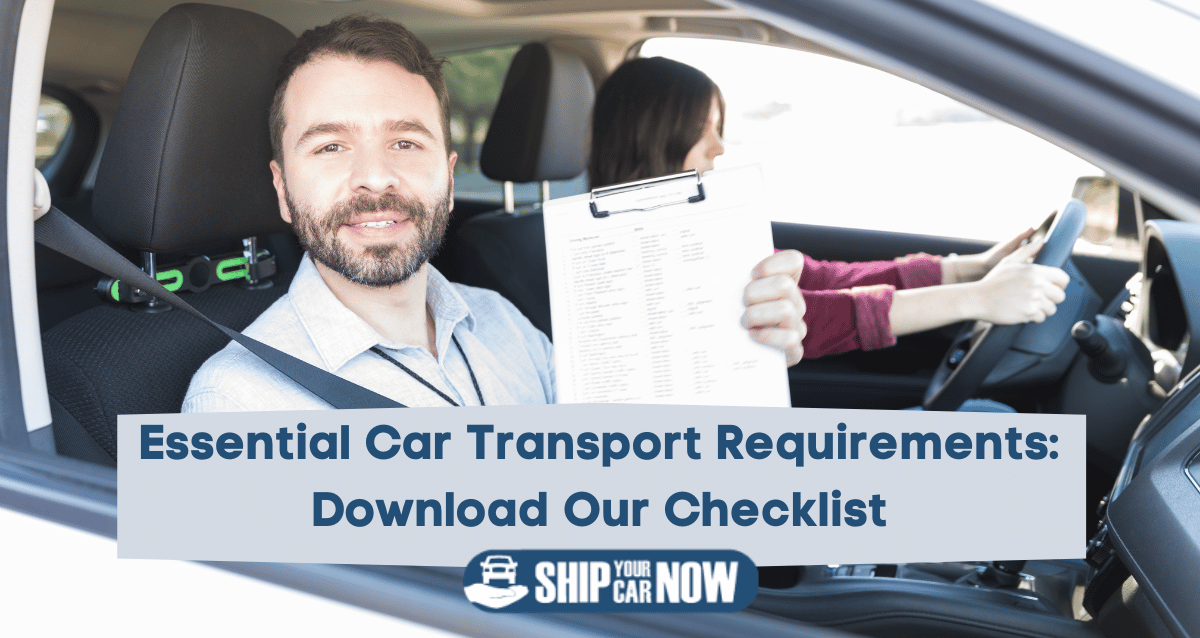
Preparing your car for shipping takes about an hour and prevents the vast majority of disputes, delays, and damage claims that happen during auto transport. Clean the car, keep the gas tank at about a quarter full, remove all personal items and toll tags, disable the alarm, check tire pressure and fluid levels, document existing damage with photos, and have a spare set of keys ready for the driver. Everything else flows from there.
Knowing how to prepare your car for shipping before the carrier arrives saves time, protects your vehicle, and makes the entire process run without a hitch. Proper preparation matters more than most first-time shippers realize, and the steps are simpler than they look.
“We treat every car that we ship as if it was our own personal vehicle. We want you to be comfortable, we want you to be educated, and we are here to provide that for you.”

- The complete pre-shipping checklist
- Clean the car and document existing damage
- Fuel level and mechanical checks
- Remove personal items and accessories
- Toll tags, parking passes, and electronics
- Disable alarms and secure loose parts
- The Bill of Lading: what it is and why it matters
- What to expect on pickup day
- Open transport vs enclosed transport
- Frequently asked questions
What You Should Know Before You Prepare
Does the car need to run and drive?
- • Yes. The vehicle must roll, brake, and steer under its own power for standard auto transport
- • Inoperable vehicles require special loading equipment and typically cost more to ship
- • Disclose any mechanical issues to the shipping company before booking
Are personal items covered by insurance during transport?
- • No. Auto transport carriers hold a license to ship vehicles, not household goods
- • Personal belongings left in the car are not covered by the carrier’s cargo insurance under any circumstances
- • Most carriers allow up to 100 pounds in the trunk below window level, but it ships at your own risk
What documents do you need ready?
- • Government-issued photo ID
- • Vehicle registration
- • Proof of insurance
- • Authorization letter if someone else handles the pickup on your behalf
When should you start preparing?
- • Plan ahead and complete preparation at least 24 hours before the pickup window
- • Last-minute preparation often leads to missed steps that cause delays or disputes at delivery
The Complete Car Shipping Preparation Checklist
Work through this list before the carrier arrives on pickup day. Every item serves a specific purpose in protecting your car, keeping the shipment on schedule, or protecting you in the event of a dispute.
- ✓ Wash the exterior thoroughly to reveal existing damage
- ✓ Photograph all four sides, roof, interior, and odometer reading
- ✓ Note and photograph all existing dents, paint chips, and scratches
- ✓ Reduce the gas tank to about a quarter tank
- ✓ Check tire pressure and inflate to manufacturer specifications
- ✓ Check fluid levels and address any fluid leaks before pickup day
- ✓ Check battery charge and ensure the car starts reliably
- ✓ Remove all personal items and personal belongings from the interior
- ✓ Remove toll tags and toll devices from the windshield
- ✓ Remove parking passes from the dash or windshield
- ✓ Remove charging cables, dash cams, and aftermarket electronics
- ✓ Remove or secure bike racks and luggage racks
- ✓ Disable car alarms and any anti-theft systems
- ✓ Fold in side mirrors and retract the antenna if manual
- ✓ Confirm spare tire location and condition
- ✓ Prepare an extra set of keys for the driver
- ✓ Note any special starting procedures and communicate them to the driver
- ✓ Confirm pickup window and have documents ready
- ✓ Review and sign the Bill of Lading carefully before the driver departs
Clean the Car and Document Existing Damage
Washing your car before shipping helps identify existing dings, scratches, paint chips, and other damage, making it significantly easier to document the vehicle’s condition before transport. This step protects you more than anything else on this list.
A dirty car hides damage. A clean car shows everything. When the vehicle arrives at the new destination, any new damage stands out clearly against the documented pre-shipping condition.
“The number one thing I see is unfortunately sometimes we have drivers show up and the vehicle is completely packed with personal items. Those cases unfortunately require the drivers to refuse service. Use common sense and do not load your car up.”
How to Document the Car’s Condition
- • Photograph all four sides of the vehicle plus the roof
- • Take close-up shots of every existing dent, paint chip, or scratch
- • Photograph the interior including any existing wear or damage
- • Capture the current odometer reading
- • Use date-stamped photos from your phone so the timestamp confirms when images were taken
- • Keep a written note of any existing damage you want acknowledged on the Bill of Lading
Taking photographs of the vehicle’s exterior and interior before shipping serves as proof of the car’s condition, which becomes essential if you need to file a damage claim later. Do not skip this step regardless of how good the shipping company’s reputation is.
Photograph in good light and from multiple angles. A scratch that looks minor from one side can look significant from another. The more detail in your condition photos, the stronger your position if any dispute arises after delivery. Back the photos up to cloud storage immediately.
Fuel Level and Mechanical Checks Before Shipping
Keeping the gas tank at about a quarter full before shipping reduces unnecessary weight and ensures enough fuel for loading and unloading the vehicle from the carrier. This recommendation appears consistently across every professional auto transport company because it serves two distinct purposes.
- • A quarter tank of gas provides enough fuel for the driver to load and unload the car at both ends
- • Extra weight from a full gas tank adds unnecessary weight to the carrier and can affect other vehicles on the load
- • An empty tank risks the vehicle running out of fuel during the loading process
- • About a quarter tank is the right balance between enough gas and minimal extra weight
Mechanical Checks to Complete Before Pickup Day
Checking for fluid leaks and ensuring that your vehicle is mechanically sound is essential before transport. Any mechanical issues can lead to complications during loading and unloading. The car must roll, brake, and steer under its own power.
- • Check tire pressure and inflate to manufacturer specifications. Properly inflated tires allow the vehicle to drive onto and off the transport carrier safely
- • Inspect fluid levels including oil, coolant, brake fluid, and power steering fluid
- • Look underneath the vehicle for any active fluid leaks. Even small leaks can damage the carrier or other vehicles during transport
- • Confirm the battery charge holds a full charge and the car starts without issue
- • Check the spare tire condition and note its location for the driver
“One of the golden rules in this space is that when your vehicle is being professionally transported, you really cannot use it as a storage device. The more weight in vehicles that they are moving will not allow them to fully maximize the number of cars they are moving.”
If the vehicle has a known mechanical issue like a slow leak, a starter problem, or a low battery, disclose it to the shipping company before the pickup window. A driver who arrives and discovers an undisclosed issue has the right to refuse the shipment. Rescheduling costs more time and money than disclosing the problem upfront.
Remove Personal Items and Personal Belongings
Removing personal items from your vehicle before shipping is one of the most important steps, and the most commonly skipped. Auto transport carriers are not licensed to ship household goods. Personal belongings left in vehicles are typically not covered by the carrier’s insurance, which can lead to losses during transport with no recourse.
- • Remove clothing, bags, and luggage from the trunk and interior
- • Remove electronics including laptops, tablets, and portable speakers
- • Remove important documents including vehicle paperwork, insurance cards, and any personal identification
- • Remove loose items that can shift during transit and scratch the interior
- • Remove any firearms, ammunition, or hazardous materials
- • Remove spare parts, tools, and aftermarket accessories not attached to the vehicle
If personal items must remain in the car, keep them secured in the trunk and below window level to avoid visibility and potential theft during transit. The total weight of any items left inside should stay under 100 pounds. See the full guide on shipping personal items inside your car for more detail on what is and is not permitted.
Remove Toll Tags, Parking Passes, and Electronics
Shipping companies recommend removing toll devices from vehicles before transport to avoid incurring automatic charges while the car is being shipped. This is one of the most overlooked steps in car shipping preparation and one of the most avoidable sources of unexpected costs.
What to Remove from the Windshield and Dashboard
- • Remove toll tags including E-ZPass, SunPass, and any other toll devices. The driver may travel through toll roads during transport and the transponder will register the charge to your account
- • Remove parking passes from the windshield or dashboard. Some passes trigger readers automatically and can generate charges or alerts
- • Remove dash cams. Some dash cams record continuously and the footage may capture the interior of the transport carrier or other vehicles, creating privacy concerns
- • Remove charging cables and USB accessories from the dash and center console
- • Remove GPS devices and phone mounts
- • Fold in external antennas if the vehicle has a removable or retractable one
Disable Alarms, Remove Accessories, and Secure Loose Parts
It is important to disable car alarms to prevent battery drain during transport. A vehicle alarm that triggers repeatedly during a multi-day transit drains the battery. A dead battery on arrival means the driver cannot unload the car from the carrier, which creates delays and additional costs at the delivery end.
Alarm and Security System Preparation
- • Disable car alarms and any aftermarket anti-theft systems before the driver arrives
- • If the alarm cannot be fully disabled, provide the driver with clear instructions on how to deactivate it if it triggers
- • Note any special starting procedures and communicate them to the carrier before pickup day
External Accessories to Remove Before Shipping
- • Remove bike racks and luggage racks. These extend the vehicle’s dimensions and can create clearance issues on the carrier
- • Remove roof boxes and cargo carriers
- • Fold side mirrors in to prevent damage during loading and unloading
- • Retract manual antennas to prevent bending
- • Secure or remove any loose exterior trim, spoilers, or body kit components that could shift in weather conditions during transit
The Bill of Lading: What It Is and Why It Matters
“Our promise to our customers is that we treat every car that we ship as if it was our own personal vehicle. We want you to have peace of mind of knowing that you are working with someone who values you as a customer and is going to walk you through the process so that you are comfortable working with us.”
The Bill of Lading is a legal document that serves as a contract and receipt between you and the auto transport company, detailing the vehicle’s condition at both pickup and delivery. It is the single most important document in the entire shipping process.
The Bill of Lading is essential for filing insurance claims if any damage occurs during transport, as it documents the vehicle’s condition when handed over to the carrier. Without a signed and accurate Bill of Lading, proving that damage occurred during transport becomes extremely difficult.
What the Bill of Lading Covers
- • A complete condition report of the vehicle at the time of pickup
- • All existing dents, scratches, paint chips, and other damage noted before loading
- • The pickup and delivery addresses
- • The vehicle identification number and odometer reading
- • Both parties’ signatures confirming the condition at pickup
How to Handle the Bill of Lading
- • Before signing, thoroughly inspect the vehicle alongside the driver and document any existing damage
- • Do not sign a Bill of Lading that leaves the condition section blank
- • Keep your signed copy safe throughout the entire transit period
- • At delivery, complete the same inspection process and note any other damage before signing the delivery receipt
- • If new damage appears at delivery, note it on the Bill of Lading before the driver leaves and contact the transport company immediately
Never sign the Bill of Lading at delivery without first inspecting the vehicle. Once you sign indicating the car arrived in good condition, filing a damage claim becomes significantly more difficult. Take your time with the inspection even if the driver is in a hurry.
What to Expect on Pickup Day
Understanding what happens when the driver arrives helps the process move efficiently and prevents common misunderstandings that cause delays.
Before the Driver Arrives
- • Confirm the pickup window with the shipping company at least 24 hours in advance
- • Make sure the car is parked in an accessible location that a large transport truck can reach
- • Have your ID, documents, and keys ready before the driver arrives
- • Keep a spare set of keys available in addition to the set you hand over
At ShipYourCarNow, the Know Your Trucker program sends you a text message before pickup containing the assigned driver’s photo and license information. This confirms the correct person is picking up your vehicle.
When the Driver Arrives
- • The driver will inspect the vehicle alongside you and complete the condition report
- • Walk around the entire vehicle together and confirm all existing damage gets noted on the Bill of Lading
- • Provide the driver with the keys and any special operating instructions
- • Sign the Bill of Lading only after reviewing and agreeing with the condition report
- • Keep your signed copy of the Bill of Lading in a safe place until the vehicle arrives
Location Accessibility
Transport trucks need approximately 75 to 80 feet of straight clearance and at least 14 feet of overhead clearance. If your location has narrow streets, low trees, or tight turns, arrange to meet the driver at a nearby accessible location such as a shopping center parking lot or a wide intersection.
Open Transport vs Enclosed Transport
Your preparation steps remain the same regardless of which transport method you choose. The choice between open transport and enclosed transport affects protection during transit, not the pre-shipping process.
- • Most common method for shipping cars across the country
- • Vehicle travels on an uncovered trailer exposed to weather conditions
- • Suitable for most standard vehicles and daily drivers
- • Lower cost than enclosed with more carrier availability
- • Same standard insurance coverage applies
- • Vehicle travels inside a fully enclosed trailer away from the elements
- • Preferred option for luxury vehicles, classic cars, and exotic cars
- • Protects against weather conditions, road debris, and visibility
- • Higher cost but essential for high-value vehicles
- • Fewer carriers available, slightly longer delivery windows
For more on choosing between transport methods and understanding what affects car shipping costs, the car shipping costs guide covers every pricing factor. The ShipYourCarNow shipping process guide walks through the entire journey from quote to delivery. And if you want to understand exactly what personal items you can and cannot include in the shipment, the guide to shipping personal items inside your car covers every rule and restriction.
Seasonal demand affects car shipping prices and timeframes. Higher prices and longer transit times typically occur during peak seasons including summer and the holiday period. If your schedule allows flexibility, shipping during the shoulder months of September through November tends to produce better availability and more competitive rates.
Ready to Ship Your Car?
ShipYourCarNow handles every step from pickup to delivery across all 50 states. Locked-in pricing, door-to-door service, Know Your Trucker program, and 24/7 in-house support throughout the entire shipment.
Frequently Asked Questions
How do I prepare my car for shipping?
Wash the exterior, photograph all existing damage, reduce the fuel level to about a quarter tank, check tire pressure and fluid levels, remove all personal items and toll tags, disable car alarms, remove bike racks and luggage racks, fold in side mirrors, and have a spare set of keys ready for the driver. Complete the Bill of Lading inspection carefully before signing.
Why should the gas tank only be a quarter full for shipping?
Keeping the gas tank at about a quarter full reduces unnecessary weight and ensures there is enough fuel for the driver to load and unload the vehicle. A full gas tank adds extra weight to the carrier that can affect the load balance. An empty tank risks the car running out of fuel during the loading process.
What is a Bill of Lading and when do I sign it?
The Bill of Lading is a legal document that serves as a contract and receipt between you and the auto transport company. It records the vehicle’s condition at both pickup and delivery. Sign it at pickup only after you and the driver have completed a joint inspection of the vehicle. Sign it at delivery only after inspecting the car for any new damage. The Bill of Lading is essential for filing any insurance claims if damage occurs during transit.
Can I leave personal items in my car during shipping?
Most car shipping companies allow up to 100 pounds of personal belongings stored in the trunk below the window line at no extra charge. However, personal items are not covered by the carrier’s cargo insurance under any circumstances. Remove valuables, important documents, and anything you cannot afford to lose. See the guide to shipping personal items in your car for full details on what is and is not permitted.
Why do I need to remove toll tags before shipping?
Shipping companies recommend removing toll devices from vehicles before transport to avoid incurring automatic charges while the car is being shipped. The driver may travel through toll roads during transit and a transponder left in the vehicle will register the charges to your account. Remove all toll tags, E-ZPass transponders, SunPass devices, and parking passes before the carrier arrives.
Why should I disable the car alarm before shipping?
It is important to disable car alarms to prevent battery drain during transport. An alarm that triggers repeatedly during a multi-day transit will drain the battery. A dead battery on arrival means the driver cannot unload the vehicle from the carrier, creating delays and additional costs. If the alarm cannot be fully disabled, leave clear instructions for the driver on how to deactivate it.
Does the vehicle need to be in running condition to ship it?
For standard auto transport, the vehicle must roll, brake, and steer under its own power. Inoperable vehicles require special loading equipment and typically cost more to ship. If the car has any mechanical issues, disclose them to the shipping company before the pickup window. A driver who discovers an undisclosed mechanical problem has the right to refuse the shipment.
What should I check at delivery when the vehicle arrives?
Inspect the vehicle thoroughly before signing the delivery receipt. Check all four sides, the roof, the undercarriage if accessible, and the interior. Compare any marks against your pre-shipping photos and the condition report on the Bill of Lading. If new damage appears, note it on the Bill of Lading before the driver leaves and contact the transport company immediately. Do not sign a clean delivery receipt if damage is present.
What is the difference between open and enclosed transport?
Open car transport is the most common and cost-effective method, where cars travel on an uncovered trailer exposed to weather conditions and road debris. Enclosed car transport provides additional protection by shipping the vehicle inside a fully enclosed trailer, making it the preferred option for luxury vehicles, classic cars, and exotic cars. Both methods use the same pre-shipping preparation checklist.
Preparing your car for shipping correctly takes about an hour and prevents the delays, disputes, and damage claims that catch unprepared shippers off guard. Work through the checklist, get the Bill of Lading right, and when you are ready to ship, ShipYourCarNow handles everything from pickup to delivery.




Senior automotive logistics professional with a passion for the industry and a 10+ year history of accomplishments. Proven track record of exemplary client management working with both RMCs, Van Lines and OEMs. Keen ability to react to an ever-changing marketplace while offering superior technology solutions, programs and services. Architect of award winning auto transport portal technology offering transparency and agility to clients, agents and transferees. Successful team builder and leader easily managing budgets with effective leadership, strategic planning, and problem-solving capabilities.