
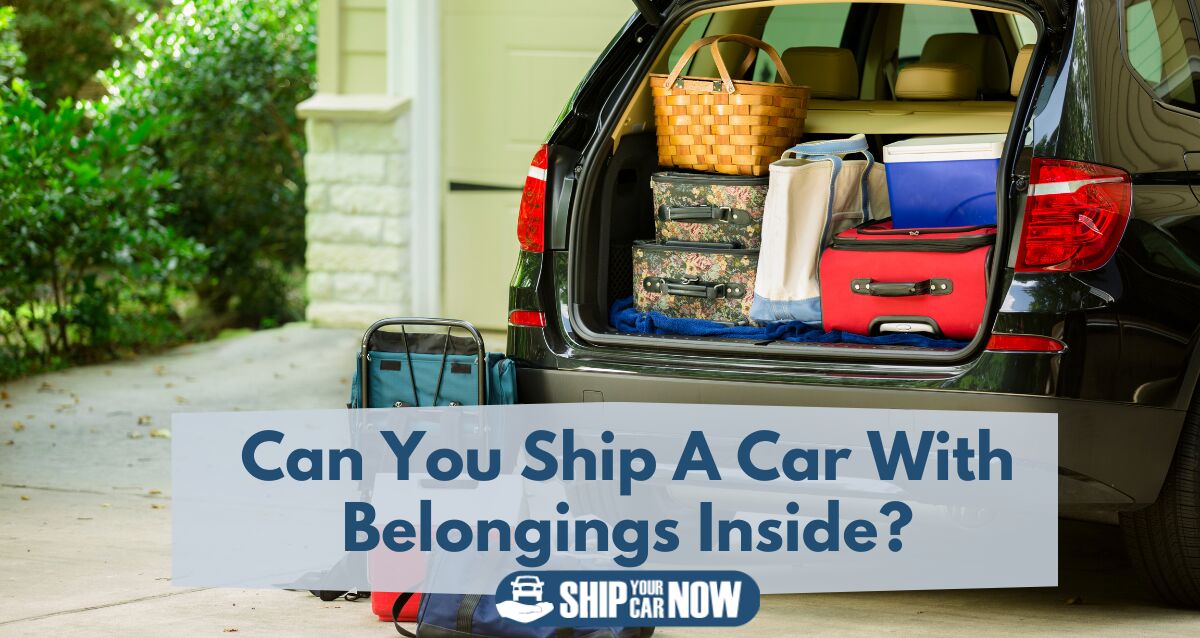
Yes. You can ship your car with personal items inside. Most car shipping companies allow up to 100 pounds of personal belongings in the trunk or cargo area, below the window line, at no extra charge. Items must not block the driver’s seat, must stay out of sight, and are not covered by cargo insurance under any circumstances.
Can you ship your car with stuff inside? It is the question every person asks the moment they realise their moving truck is full and their car still needs to get across the country. The short answer is yes, shipping a car with personal items inside is possible. The longer answer involves weight limits, carrier rules, insurance gaps, and a few things that will get your shipment refused on the spot.
This guide covers everything you need to know before you start loading your trunk.
“I had a customer once try to ship an entire apartment’s worth of belongings in their sedan. The carrier refused to load it until we removed about 300 pounds of items. The 100-pound limit exists for a reason.”

- Is it legal to ship personal items in your car?
- Weight limits and carrier rules
- What you can and cannot ship
- How to pack your car correctly
- Insurance and what it does not cover
- Theft, damage, and risk mitigation
- Special rules: Hawaii and Alaska
- Enclosed transport for added protection
- Alternatives to shipping items in your car
- Frequently asked questions
Is It Legal to Ship Personal Items in Your Car?
Technically, yes. The Department of Transportation has not explicitly banned personal belongings inside vehicles during auto transport. That said, auto carriers hold a carrier license that covers vehicles, not household goods. Their cargo insurance covers the vehicle structure itself, not anything inside it.
What this means in practice:
- • Shipping companies can allow personal items at their own discretion
- • Most car shipping companies do allow up to 100 pounds, but policies vary depending on the carrier
- • The carrier takes on extra risk and may face fines if the transport truck exceeds DOT weight limits
- • Some shipping companies require a signed waiver acknowledging that your belongings inside are not covered
- • A handful of car carriers say no to personal items entirely
Always confirm with your auto transport company before the pickup date. Do not assume anything goes in the trunk.
Weight Limits and What Happens When You Exceed Them
The 100-pound figure comes up consistently across the auto transport industry. It is not a legal threshold — it is a practical one. Car carriers operate under strict weight limits set by the DOT for the transport truck itself. Every extra pound in every vehicle on the trailer adds up.
Excess weight creates real problems:
- • Strains the transport truck tires and brakes
- • Increases stopping distance and tipping risk
- • Limits which roads, bridges, and routes the carrier can use
- • Can result in DOT fines for the driver
- • May cause your vehicle to be refused at pickup or unloaded mid-route
Weigh your items before the pickup date. A bathroom scale works fine. If your packed bags, boxes, and gear come in under 100 pounds combined, you are in the safe zone with most carriers. If they come in over, pull something out. A refused shipment costs more than a separate box shipped via UPS.
Some premium auto transport services do allow more than 100 pounds for an additional fee. Alaska is one example where specific weight charges apply — typically around $95 per additional 100 pounds. Always ask about specific weight limits before you book.
What You Can and Cannot Ship Inside Your Car

Some items are fine. Others will get your shipment refused immediately. Here is the full breakdown.
| ✓ Items You CAN Ship | ✗ Items You CANNOT Ship |
|---|---|
| Clothing in suitcases or bags | Firearms and ammunition |
| Bedding and linens | Flammable materials (gasoline, propane, lighter fluid) |
| Small kitchen appliances | Hazardous chemicals or cleaning supplies |
| Books and magazines | Illegal drugs or substances |
| Non-perishable food items | Expensive jewelry or cash |
| Toys and games | Important legal documents (titles, passports) |
| Sports equipment (non-hazardous) | Perishable food items |
| Office supplies and files | Plants or live animals |
| Shoes and accessories | Prescription medications |
| Personal electronics (at your own risk) | Explosives, fireworks, or batteries |
The 100-pound weight limit applies to all personal items combined. All belongings inside must stay below the window line. Personal belongings are not covered by carrier insurance under any circumstances — not even if the carrier agrees to take them.
How to Pack Your Car Correctly for Auto Transport
Packing correctly protects both your car and your belongings. Loose items shift during transport and can scratch your interior, crack the dashboard, or break against the seat backs. A packed car that looks like a moving truck invites theft at rest stops and fuel stations.
Follow these rules before the carrier arrives:
- • Keep all items in the trunk or cargo area, not on the back seat or front seat
- • All items must sit below the window line so they are not visible from outside the vehicle
- • Pack everything into suitcases, duffel bags, or sealed boxes — no loose items
- • Fragile items need proper padding to survive shifting during transit
- • Leave the driver’s seat completely clear for safe loading onto the transport truck
- • Do not pack valuable items — jewelry, cash, electronics, or anything irreplaceable
- • Remove items that could move and scratch — cables, loose change, air fresheners, sunglasses
- • Photograph everything you are placing inside and keep an inventory list
- • Weigh everything before the pickup date — stay under 100 pounds combined
- • Tell your ShipYourCarNow agent about any items in the car before you book
Pre-Shipment Checklist
- ✓ Wash the exterior so any existing damage shows clearly
- ✓ Photograph the car’s condition from all angles, including the odometer
- ✓ Weigh all personal items before packing them
- ✓ Pack everything into bags or sealed boxes, nothing loose
- ✓ Place all items in the trunk or cargo area, below window level
- ✓ Clear the driver’s seat for safe loading
- ✓ Leave the fuel tank at a quarter full or less
- ✓ Check tires, fluids, and battery
- ✓ Prepare a spare key for the driver
- ✓ Confirm your carrier knows items are inside before pickup
Insurance Coverage and Personal Belongings: What You Need to Know
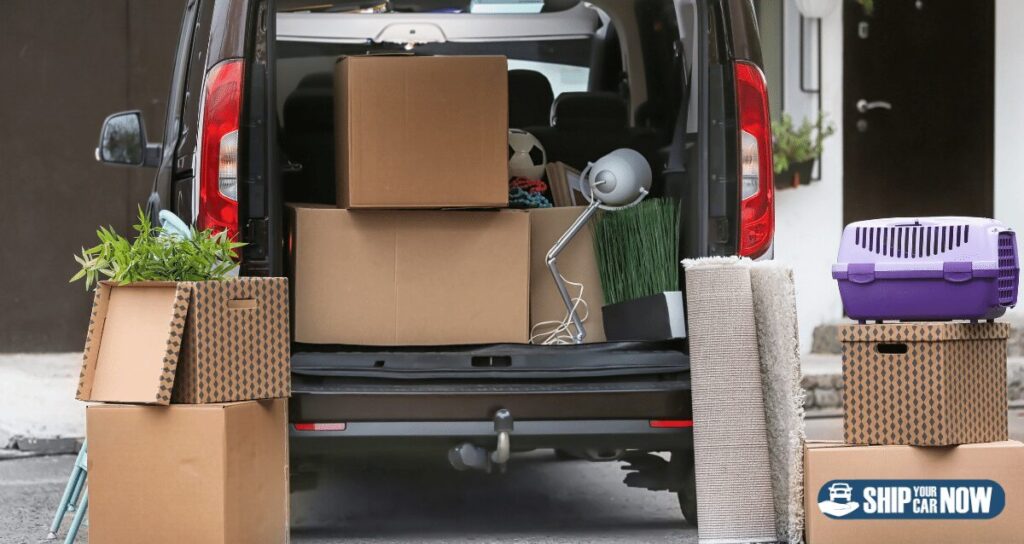
This is the part most people skip. Do not skip it.
Carrier cargo insurance covers damage to the vehicle during transport. It does not cover anything inside the vehicle. Not your clothes, not your laptop, not your kid’s gaming console. Nothing. Even if the carrier agrees to take your personal items, they are not covered by any insurance policy that applies to the shipment.
- • Carrier cargo insurance covers the vehicle structure only
- • Personal belongings inside are shipped entirely at your own risk
- • Your own auto insurance policy may not cover interior contents during transport either
- • Check with your insurance agent before shipping to understand your personal coverage
- • Signing a waiver is often required, which formally removes any responsibility from the carrier
If an item matters enough to worry about, it should not go in the car. Ship it separately via FedEx, UPS, or a professional moving service where it can be insured properly.
ShipYourCarNow handles all claims in-house if your vehicle sustains damage during transport. The team works quickly to resolve issues without outsourcing. For more on how that works, visit the ShipYourCarNow shipping process page.
Theft, Damage, and Risk Mitigation
Auto carriers do not travel directly from pickup to delivery. They stop for fuel, rest breaks, inspections, and loading at multiple locations. A vehicle visibly packed with personal belongings is a target at every one of those stops.
The risks when shipping items in your car:
- • Visible items attract unwanted attention at rest stops and fuel stations
- • Theft of personal belongings is not covered by any insurance on the shipment
- • Loose items shift during transit, potentially causing damage to the car’s interior
- • Extra weight increases wear on the transport truck and may cause delays
- • Fragile items can break even when packed carefully
To reduce these risks:
- • Keep items in the trunk and below the window line at all times
- • Never ship valuables, cash, or irreplaceable items in the vehicle
- • Consider enclosed auto transport, which shields the vehicle and its contents from view entirely
- • Secure all items in bags or boxes so nothing slides around
- • Document everything with photos before handover
Special Rules: Hawaii, Alaska, and International Shipments
Cars shipping to or from Hawaii travel by sea. Port rules require the vehicle to be completely empty of personal items. No exceptions. Your car will be rejected at the port if anything is inside. This applies to every shipping company, no matter what they tell you before the port inspection.
For Alaska shipments, personal items are permitted but weight slips are required for documentation. Additional charges apply — typically around $95 per 100 pounds of extra weight beyond the standard allowance. Confirm the specific weight limits and costs with your carrier before booking.
For international car shipping, restrictions vary depending on the destination country’s customs rules. Most international ports treat personal items in a vehicle the same way Hawaii does. Check with your carrier well in advance. The ShipYourCarNow international shipping team can advise on specific country requirements.
Enclosed Transport: Added Protection for Your Car and Belongings
Enclosed auto transport is the preferred choice for anyone shipping a classic car, luxury vehicle, or a vehicle with personal items they want to protect from view. The vehicle travels inside a fully enclosed trailer, which means:
- • No visibility into the vehicle from outside the trailer
- • Protection from weather, road debris, and dust throughout transit
- • Lower theft risk since contents are hidden from sight entirely
- • Added protection for fragile items that could break in an open carrier
- • Preferred for high-value vehicles and sensitive personal belongings
Enclosed transport costs more than open transport, but for a classic car, an exotic, or a cross-country move where you want your belongings as safe as possible, the price difference makes sense. Get a free instant quote to compare both options side by side.
Alternatives to Shipping Personal Items in Your Car
If the 100-pound limit, the insurance gap, and the theft risk give you pause, there are better options for your household goods:
- FedEx or UPS — Good for smaller, valuable items. Both offer insurance options and reliable tracking. The UPS Store Pack and Ship Guarantee covers damage if they do the packing.
- Professional moving company — Full-service movers handle packing, loading, and transport of household goods. Rates typically run $25 to $50 per mover per hour. Better suited for large volumes of items.
- Moving containers (PODS, U-Pack) — Cost-effective for large moves. You pack the container, they ship it. Works well alongside auto transport for a full relocation.
- U-Haul truck rental — Full control, lower cost, but requires you to do the driving. Worth considering if you have someone available to drive the truck while your car ships separately.
- CitizenShipper — Peer-to-peer shipping marketplace with background-checked transporters. Good for smaller, non-standard items.
For a broader look at budget car shipping options or to understand the full breakdown of car shipping costs, both guides cover what drives pricing and how to keep costs down.
Ready to Ship Your Car?
ShipYourCarNow moves vehicles across all 50 states with door-to-door service, locked-in transparent pricing, and 24/7 support. Tell your agent about any personal items before you book and they will walk you through your options.
Frequently Asked Questions
Can you put stuff in your car when it gets shipped?
Yes. Most car shipping companies allow up to 100 pounds of personal items in the trunk or cargo area below the window line. Items must not block the driver’s seat and are not covered by cargo insurance. Always confirm with your carrier before the pickup date.
Can you put luggage in a car being transported?
Yes, within the 100-pound limit. Pack luggage in the trunk or cargo area and keep it below the window line. Avoid placing bags on the back seat where they are visible through the windows.
Are personal belongings covered by cargo insurance during car shipping?
No. Carrier cargo insurance covers damage to the vehicle only. Personal belongings inside the car are not covered under any standard auto transport insurance policy. Ship anything valuable separately through a service that can insure it properly.
What happens if I put too much weight in my car during shipping?
The carrier may refuse to load your vehicle, charge additional fees, or face DOT fines for exceeding transport truck weight limits. In some cases, shipments get delayed while excess weight gets removed. Weigh your items before the pickup date and stay under 100 pounds combined.
Can I ship my car with stuff inside to Hawaii?
No. Port rules for Hawaii require the vehicle to be completely empty of all personal items and household goods. No exceptions apply. Your car will be rejected at the port if anything is found inside regardless of weight or type.
Is enclosed transport better if I want to ship items in my car?
Yes. Enclosed transport keeps your vehicle and its contents out of sight entirely during transit, which lowers theft risk significantly. It also protects fragile items from road debris and weather. It costs more than open transport but makes sense for high-value vehicles or sensitive belongings.
What are the legal restrictions on what I can ship inside a car?
Firearms, ammunition, flammable or hazardous materials, illegal substances, explosives, and live animals are prohibited in all circumstances. These restrictions apply regardless of which carrier or transport method you choose.
Can I put personal items on the back seat during car shipping?
Most carriers prefer items in the trunk or cargo area only. Some will allow back seat storage for an additional fee, but it depends on the carrier’s specific policy. Items on the back seat are more visible through the windows, which increases theft risk. Always confirm with your carrier first.
What alternatives exist to shipping personal items in my car?
FedEx, UPS, professional moving companies, moving containers like PODS or U-Pack, and U-Haul truck rentals all provide alternatives for household goods and personal belongings. For smaller valuable items, parcel shipping with declared value insurance is the safer and more cost-effective route.
Shipping your car with personal items inside comes down to one rule: stay under 100 pounds, keep everything below the window line, and never put anything in the car that you cannot afford to lose. When you are ready to ship, ShipYourCarNow gives you transparent pricing, a locked-in rate, and a team that stays with you through the entire process.


Senior automotive logistics professional with a passion for the industry and a 10+ year history of accomplishments. Proven track record of exemplary client management working with both RMCs, Van Lines and OEMs. Keen ability to react to an ever-changing marketplace while offering superior technology solutions, programs and services. Architect of award winning auto transport portal technology offering transparency and agility to clients, agents and transferees. Successful team builder and leader easily managing budgets with effective leadership, strategic planning, and problem-solving capabilities.