
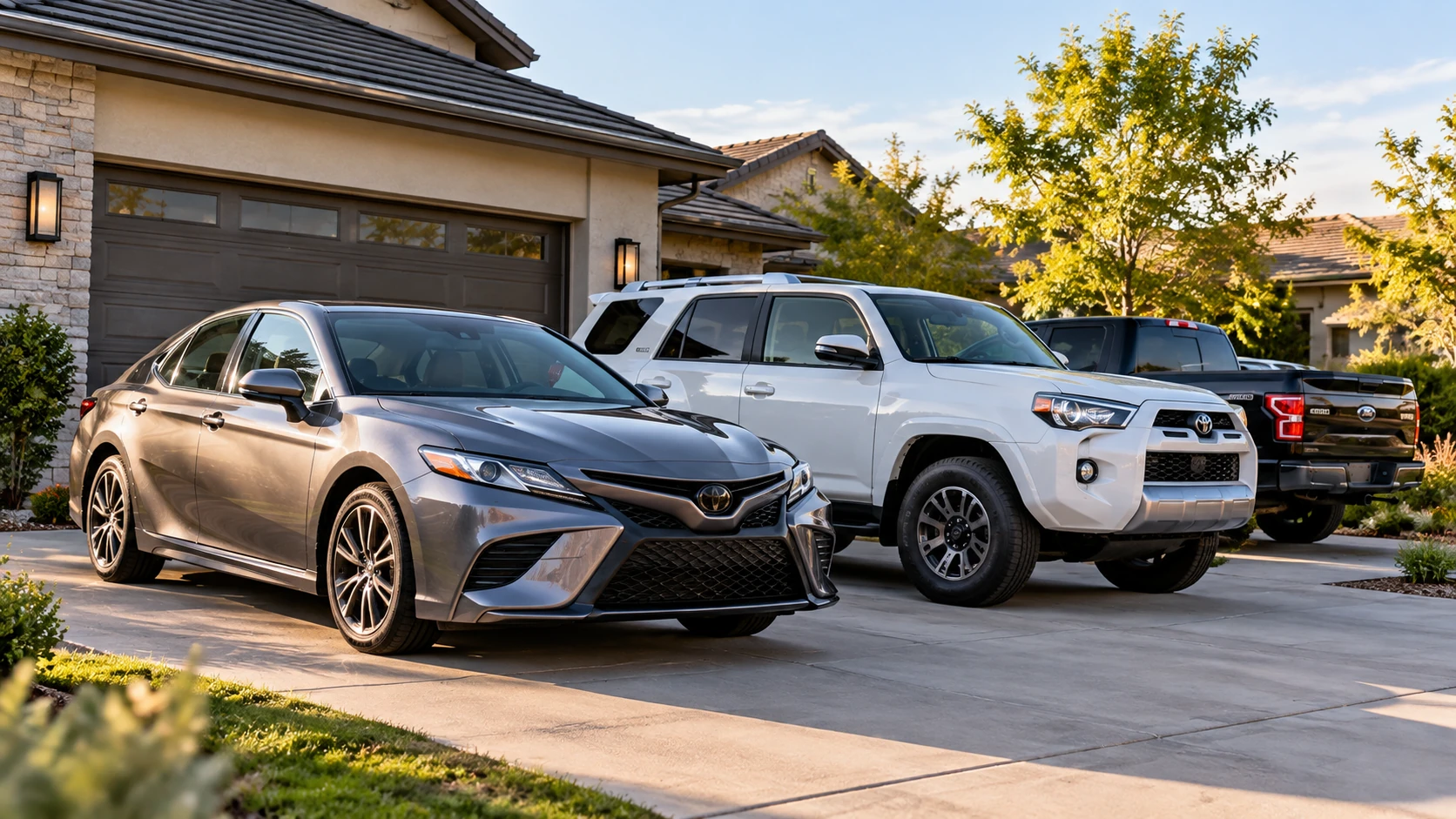
Families, snowbirds, and fleet managers collecting multiple car shipping quotes usually ask whether moving more than one vehicle costs less and how to keep every car on schedule. After more than 17 years in the auto transport industry, we can tell you the answer depends more on planning than promotions, starting with how car shipping costs are calculated. This guide covers how multi-vehicle car shipping works, what drives the price of each car, and how to compare offers without getting burned.
What You Should Know Before You Start
Will shipping two cars at once cost less than shipping them separately?
- Not on its own. Each vehicle still carries its own price, set by route, vehicle type, running condition, and transport method.
- You save effort, not money, with one call, one plan, and one timeline to track instead of two.
Will all of my vehicles ride on the same truck?
- Often, when the route, trailer space, and pickup dates line up, it can cost less.
- A mixed order, such as one car on an open trailer and one in an enclosed trailer, travels with multiple carriers.
- Different pickup or delivery addresses can also split the load across two trucks.
What information do I need to request a quote?
- Year, make, and model of each vehicle.
- Running condition of each car, including any non-running vehicle.
- Pickup and delivery locations, with ZIP codes.
- Your preferred pickup date and your choice of open or enclosed transport.
How early should I book?
- Give yourself as much lead time as your plans allow, and build the calendar around the two seasonal crunch points below.
- Spring runs hottest. The northbound snowbird wave peaks between April 6 and May 10, 2026, the busiest stretch of the year. Rates in that window climb 10% to 20% above fall levels, according to the ShipYourCarNow 2026 Industry Report.
- Fall tightens next. Southbound demand peaks between October 16 and November 20, when retirees head toward Florida, Arizona, and the Gulf Coast.
- Add extra lead time for a multi-vehicle order inside either window, since one truck has to hold space for all of your cars, not just one.
- Winter and early fall open up, and quieter weeks usually mean faster carrier assignment at steadier rates.
- Carriers fill up fast inside those peak windows, and late bookings leave you with fewer choices.
- Last-minute moves may need expedited service, which costs more than standard transport.
What protects my vehicles while they travel?
- The carrier’s cargo insurance policy covers damage that happens in transit.
- Add up the combined value of every vehicle and compare it against the policy limit.
- A signed inspection on the bill of lading records the condition of each car at pickup.
- How Multi-Vehicle Car Shipping Works When You Ship Multiple Cars
- What Drives Multi-Vehicle Pricing on Every Multi-Car Shipment
- How to Compare Multiple Car Shipping Quotes Without Getting Burned
- Open and Enclosed Options for Shipping Multiple Vehicles Together
- Door-to-Door Service for Multi-Vehicle Shipments: What to Expect
- Cargo Insurance Coverage When Several Vehicles Share One Truck
- How to Prepare Two or More Vehicles for Pickup and Delivery Day
- Fleet Vehicle Shipping for Dealers, Relocation Teams, and Families
- Why ShipYourCarNow Handles Multiple Vehicle Shipments Differently
- Frequently Asked Questions About Shipping Two or More Vehicles
How Multi-Vehicle Car Shipping Works When You Ship Multiple Cars
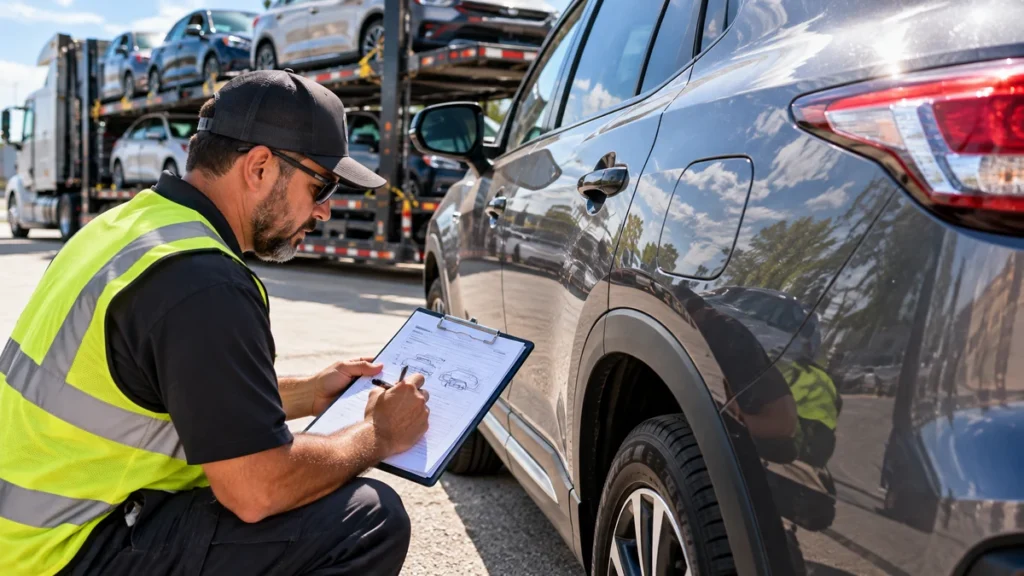
Multi-vehicle shipping follows the same basic path as moving a single car. You request a quote, a vetted carrier gets assigned, a driver inspects and loads each vehicle, and the truck delivers to your destination. The difference comes down to coordination, because several vehicles simultaneously need pickup windows, trailer space, and paperwork that all line up.
Transporting multiple vehicles together simplifies logistics and scheduling in a way separate bookings never can. One coordinator tracks every car, one plan covers the whole move, and you avoid juggling two drivers who call on different days. Coordinating pickup for three cars at one address also takes one visit instead of three. If you want a refresher on each stage, read how the car shipping process works.
Here’s what a typical multi-car shipment looks like:
What Drives Multi-Vehicle Pricing on Every Multi-Car Shipment
Distance remains the primary cost driver for shipping cars, and that holds true whether you ship one vehicle or four. According to the ShipYourCarNow 2026 Industry Report, a sedan moving under 500 miles runs about $600 to $930. A sedan traveling more than 2,500 miles runs about $1,350 to $1,925. Every vehicle on your order gets priced against those same forces, much like a single car.
Vehicle size affects shipping costs too, because a full-size pickup takes up more deck space than a compact sedan. Carriers price that space tightly for good reason. Operating costs outside fuel reached a record $1.779 per mile in 2026, according to the ShipYourCarNow 2026 Industry Report, so every slot on a multi-car carrier has to earn its keep.
These factors shape the price of each vehicle on your order:
Peak shipping season raises costs because demand climbs while truck space stays fixed. The same industry report found that the northbound snowbird wave in April and May brings a 10% to 20% price surge compared with fall rates.

How to Compare Multiple Car Shipping Quotes Without Getting Burned
Obtaining multiple quotes requires gathering vehicle and route details first, so every company prices the same job. Give each one identical information, including the condition of every car and your target dates. Otherwise, you end up comparing apples to oranges and picking the wrong offer.
Evaluating transport options should also involve factors beyond the bottom line. Not every car shipping company vets its carriers, and auto transport companies that skip that step pass the risk to you.
The lowest number often hides a thin insurance policy, a loose pickup window, or a company that disappears once it collects a deposit. The Federal Motor Carrier Safety Administration advises consumers to avoid any broker or transporter that fails to prominently display its MC Docket number online.
A best price guarantee sounds reassuring, but it means little if the carrier behind it never shows up. Compare auto transport services on vetting, insurance, and communication, not price alone.
Line up each car shipping service against this checklist:
Open and Enclosed Options for Shipping Multiple Vehicles Together
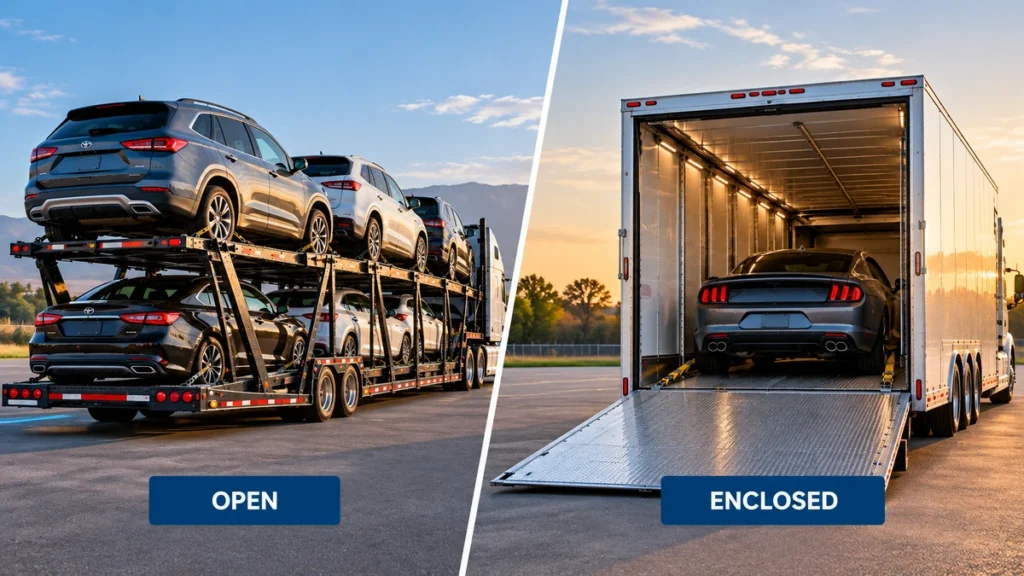
Open car transport stays the most cost-effective way to move a household’s cars. An open carrier typically hauls 8 to 10 vehicles at once, according to ShipYourCarNow. A multi-car carrier spreads fuel and driver costs across the whole load. For daily drivers, open car shipping covers most moves.
Enclosed transport protects high-value vehicles from weather, road debris, and prying eyes. Enclosed carriers also hold fewer cars, since walls and roofs reduce deck space, which we break down in our guide to the difference between enclosed and open transport. For a classic car or a pair of luxury cars, enclosed car shipping delivers premium protection that justifies the higher price. Many families mix transport methods across one order, and that works well:
- The minivan and commuter sedan go open.
- The restored classic car rides enclosed.
- Each vehicle gets its own quote and, when needed, its own truck.
- Your coordinator keeps both timelines in view.
We tell customers that the vehicle, not the budget, should decide the method. As our Chief Strategy Officer, Marco Maggiore, likes to put it, “Whether you’re shipping your mom’s 2001 Toyota Camry or a new Bugatti rolling off the block, we can handle both with the same level of security, service, and care.” The trailer simply needs to match what you own.
Door-to-Door Service for Multi-Vehicle Shipments: What to Expect
Door-to-door service offers maximum convenience for vehicle shipping, since the driver comes as close to your address as the street allows. With door-to-door auto transport, you skip the drive to a depot and hand over the keys close to home.
Door-to-door logistics may not work for large multi-car rigs in residential areas. A trailer long enough to carry eight cars can struggle with tight streets, low branches, and neighborhood weight limits. That matters most when shipping multiple SUVs or trucks into a narrow neighborhood. In those cases, the driver may ask to meet at a nearby parking lot for door-to-door pickup or delivery.
Terminal-to-terminal shipping may save money but adds legwork, since you drop off and collect each car at a depot. Coordinating two or three cars that way means extra trips on both ends of the move. Learn more about terminal-to-terminal shipping if your budget calls for it. For most families, meeting the truck around the corner still beats two trips to a depot.
To keep delivery locations simple:
- Choose a spot with room for a full-size carrier to pull in and turn around.
- Have a licensed adult available at both ends for every vehicle.
- Keep your phone on during the estimated delivery window.
- Confirm the exact meeting spot for door-to-door delivery a day ahead.
Cargo Insurance Coverage When Several Vehicles Share One Truck
Cargo insurance limits should adequately cover the total value of all vehicles on the load. Three family sedans carry a very different combined value than two luxury cars. When high-value vehicles share the same truck, they also share the same carrier’s cargo insurance policy.
Repair costs make this worth checking. The ShipYourCarNow 2026 Industry Report found that the average estimate for a drivable front-end claim reached $3,706, up 39.4% since 2019. The same report puts the average damage claim rate across the auto transport industry near 0.50%. Problems stay rare, but the stakes run high when they happen.
Before you book, confirm:
- Insurance coverage details, including the cargo limit, in writing
- That the limit covers the combined value of your vehicles
- How the claims process works if something goes wrong
- That your personal auto policy stays active during transit
How to Prepare Two or More Vehicles for Pickup and Delivery Day
Proper planning helps avoid delays in car transport, and preparation matters even more when a driver needs to load several vehicles at one stop. Every minute spent hunting for a key or clearing out a trunk holds up the entire load. Coordinating pickup gets easier when every car sits ready the day before.
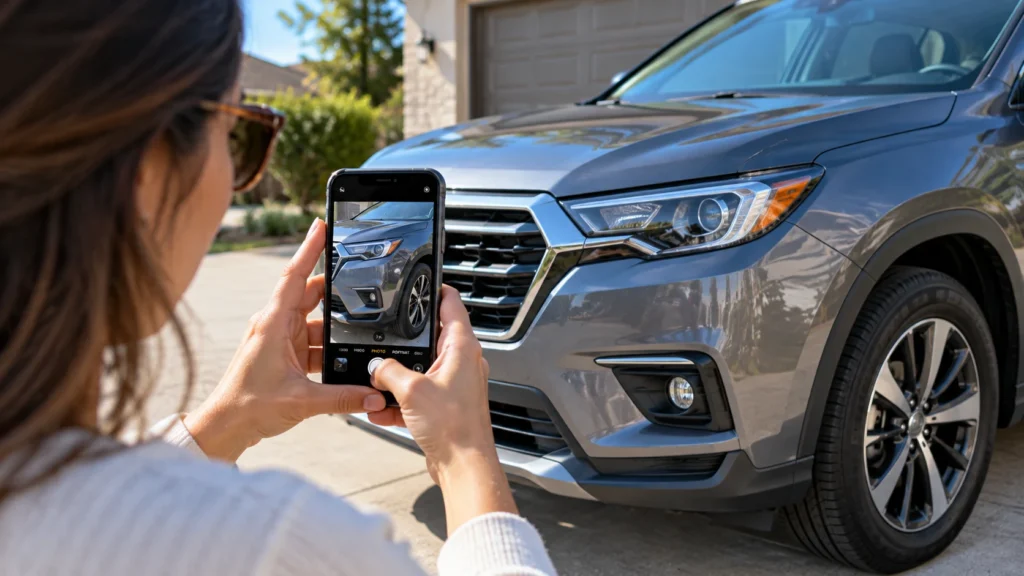
Remove personal items from every vehicle before transport. We do not accept personal goods inside a shipped vehicle, so empty the cabin, trunk, and storage compartments, and take down parking passes and windshield items that can go missing on the road. Move personal belongings with your household goods instead, and see our full guide on how to prepare a vehicle for shipping.
Use this prep list for each car:
At delivery, walk around each car with the driver and compare it against the original bill of lading. Note any issue on the paperwork before you sign, so the record shows your cars arrived in the same condition they left your driveway.
Fleet Vehicle Shipping for Dealers, Relocation Teams, and Families
Bundling multiple cars reduces administrative overhead for transport companies and for you. A multi-vehicle order replaces a string of emails and phone calls with one contact and one set of dates. That benefit grows with volume, whether you move multiple cars for a household or dozens for a dealership that needs vehicles simultaneously moved between lots.
Businesses moving inventory or company cars can explore fleet vehicle shipping through our car transport services for vehicle transport business clients. Companies relocating employees can pair vehicle moves with corporate relocation services.
Multi-vehicle shipments also come up for:
International shipping adds another layer. International shipments add customs paperwork, port schedules, and ocean transit to the plan. Each international vehicle follows its own export and import process, so start those conversations earlier than you would for a domestic move.
Why ShipYourCarNow Handles Multiple Vehicle Shipments Differently
Multi-vehicle shipping puts a lot of trust in one company. At ShipYourCarNow, we built our auto transport services around earning that trust before the first car ever loads. Our car transport services cover open, enclosed, expedited, and international moves. We act as an auto transport management company, not a broker that posts your order and hopes for the best.
Here’s what every order includes:
| What You Get | The Detail |
|---|---|
| Experience | More than 17 years of auto transport experience behind every order. |
| Licensing | FMCSA-licensed and BBB-accredited operations. |
| Carrier vetting | Every carrier vetted through a stringent process covering overall performance, individual driver performance, USDOT compliance, and insurance verification. |
| Insurance floor | A minimum of $1,000,000 in liability insurance and $100,000 in cargo insurance for every carrier. |
| Claims handling | Our own claims team, so claims never go to a third party. |
| Single point of contact | A dedicated shipping coordinator, your dedicated transport specialist, from booking to delivery. |
| Support hours | 24/7 customer support every day of the year. |
| Driver transparency | Our Know Your Trucker program, which texts you the assigned driver’s photo, license information, and equipment confirmation before pickup. |
| Pricing | Our Fixed Price Promise, a price guarantee that the price you see stays the price you pay, with no hidden fees. |
| Social proof | Thousands of verified customer reviews across Google, BBB, ConsumerAffairs, and Birdeye. |
Those customer testimonials come from real people who shipped real vehicles, and you can read them before you book.
Call us at (866) 390-0354, or get an instant car shipping quote for every vehicle on your list.
Frequently Asked Questions About Shipping Two or More Vehicles
How do I get quotes for several vehicles on one move?
Gather the year, make, model, and running condition of each vehicle, plus your pickup and delivery locations and preferred pickup date. Send the same details to every auto transport company you contact so the quotes compare fairly. Ask each one to list a separate price for every car. A trustworthy car shipping company will also tell you whether the vehicles can travel on the same carrier.
Is shipping two cars at once always cheaper?
Not always, and any company that promises a big drop for the second car deserves questions. Each car still carries its own cost based on distance, size, condition, and transport method. The dependable savings come from fewer calls, one plan, and less time off work. A best-price guarantee matters less than a price that stays the same after you book. Compare the full written price for each vehicle, and confirm the quote carries no additional fees.
How expensive is it to ship a car across America?
A sedan moving more than 2,500 miles costs about $1,350 to $1,925, according to the ShipYourCarNow 2026 Industry Report. Open transport remains the most cost-effective choice for that trip. Larger vehicles, enclosed transport, expedited shipping, and peak season push the figure higher. Any reputable car shipping service will quote your exact route.
How many cars fit on one car carrier?
A typical multi-car carrier on an open trailer hauls eight to 10 vehicles at once. Enclosed carriers hold fewer vehicles because walls and a roof take up space and add weight, but they offer premium protection from road debris. How many cars fit also depends on size. When shipping multiple family vehicles, larger trucks and SUVs take up more room than compact cars.
Will all of my vehicles travel on the same truck?
Usually, your cars can share a route, a transport method, and a pickup window. A mixed order that combines two transport methods will travel with multiple carriers. Separate delivery locations can split the load as well, and each truck works to its own estimated window rather than a fixed delivery date. Ask your coordinator to confirm the plan in writing before pickup day.
Can I ship a non-running vehicle with my other cars?
Yes, but tell the company up front. Inoperable vehicles need a winch or other loading equipment, which usually adds a charge. Not every carrier on a route carries that gear, so the car may travel separately. Accurate details at booking prevent surprises on pickup day.
What paperwork should I get for each vehicle?
Make sure the driver records the condition of every vehicle on the bill of lading at pickup. You should receive a copy before the truck leaves. At delivery, compare each car against that report and note any issues before you sign. That document shows whether your cars arrived in the same condition they left, and it protects you if a claim becomes necessary.
Can I ship multiple cars overseas at the same time?
Yes, international vehicle shipping works for households and businesses moving more than one vehicle. Ocean carriers, port schedules, and customs paperwork stretch international shipments beyond a domestic timeline. Each international vehicle follows its own export and import process. Talk with your coordinator early about international shipping timelines and paperwork.
The right partner turns a stack of multiple car shipping quotes into one clear plan, and ShipYourCarNow stands ready to build yours.



Senior automotive logistics professional with a passion for the industry and a 10+ year history of accomplishments. Proven track record of exemplary client management working with both RMCs, Van Lines and OEMs. Keen ability to react to an ever-changing marketplace while offering superior technology solutions, programs and services. Architect of award winning auto transport portal technology offering transparency and agility to clients, agents and transferees. Successful team builder and leader easily managing budgets with effective leadership, strategic planning, and problem-solving capabilities.